Introduction to machine learning

Huanfa Chen - huanfa.chen@ucl.ac.uk

13 December 2025

Recap of Term 1: FSDS, QM, and GIS

What we learnt in Term 1

  • Python programming
  • Data types
  • Visualisation
  • Regression (Ordinary Least Square; Linear Mixed Effects; multicollinearity)
  • Dimensionality reduction
  • Clustering

This week

Learning Objectives

By the end of this lecture you should:

  1. Understand the basics and classifications of machine learning
  2. Understand the differences between statistical methods and machine learning (estimation vs. prediction)
  3. Appreciate GIGO theorems in machine learning and data science

Introduction to machine learning

ML as subset of AI

  • Machine learning (decision tree, random forest, k-means, etc.)
  • Deep learning (deep neural networks)
  • Other AI tools: graphical models, symbolic AI
  • Note: we don’t distinguish ML/DL and consider NN as part of ML
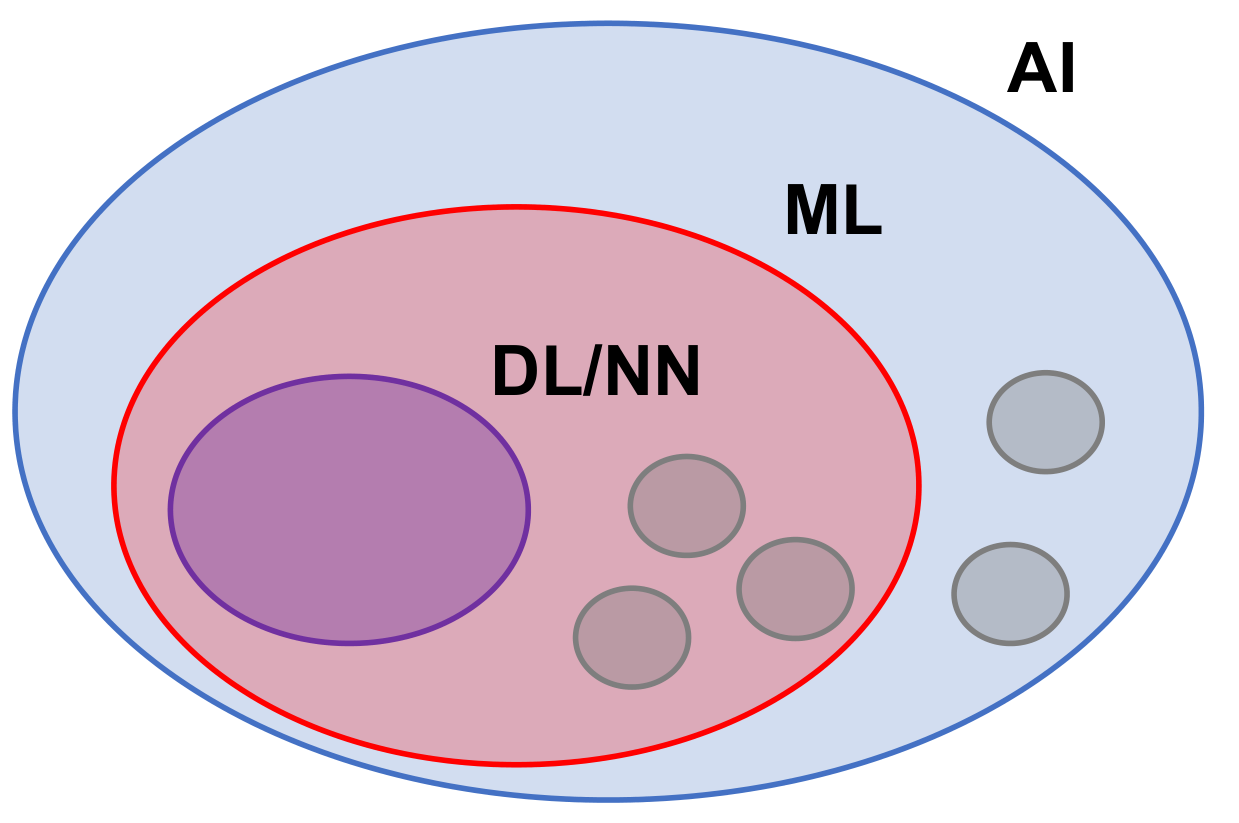
ML is a subset of AI

Image Credit: Lecture slide (ML is a subset of AI)

Definition of machine learning

Arthur Samuel (1959): (Machine learning is the) field of study that gives computers the ability to learn without being explicitly programmed.

Tom Mitchell (1997): A computer program is said to learn from experience E with respect to some task T and some performance measure P, if its performance on T, as measured by P, improves with experience E.

What is Machine Learning?

  • Extracting knowledge from data
  • Relying on data and algorithms
  • Closely related to statistics but distinct from linear models
  • Focus on prediction rather than estimating relationships or interpretation

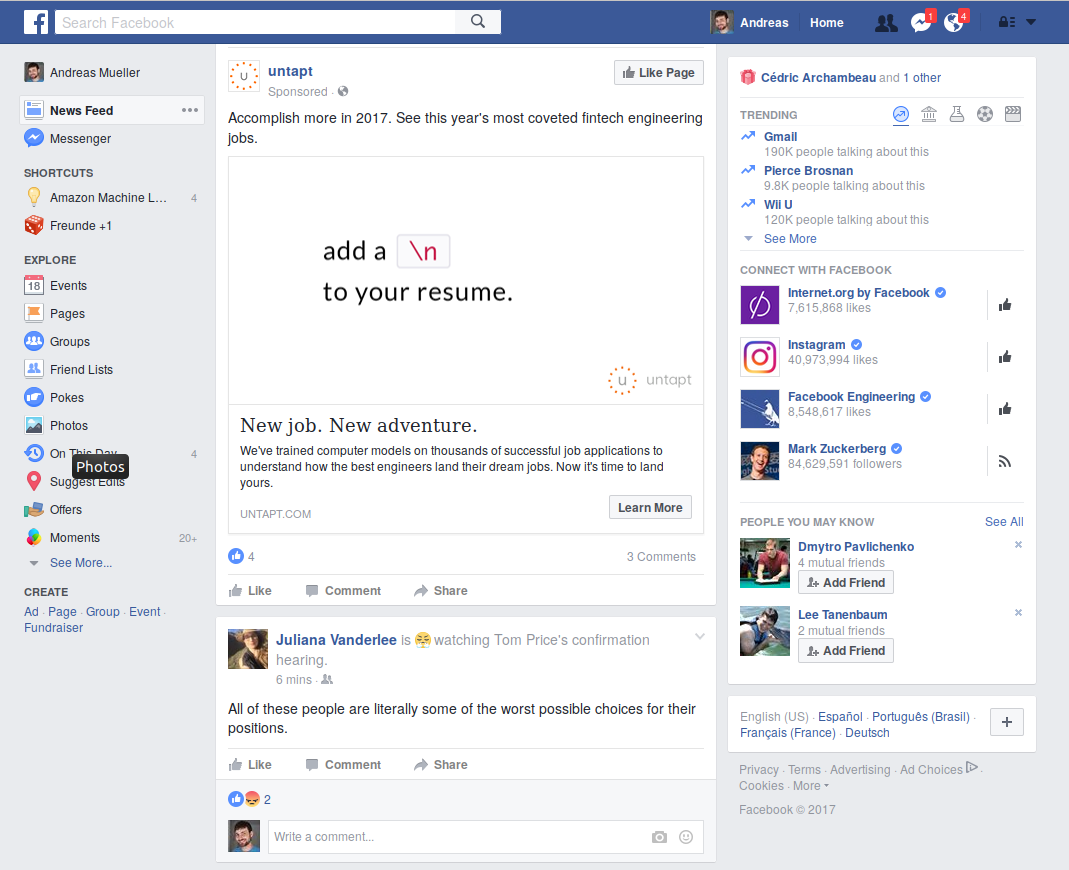
Examples: Facebook

Facebook news feed

  • Machine learning in news feed ranking
  • Content selection and targeting
  • Ads and recommendations

Examples: Facebook (cont.)

Facebook face recognition

  • Face detection and recognition
  • Photo organization

Examples: Facebook (cont.)

Facebook photo mosaic

  • Photo selection and layout

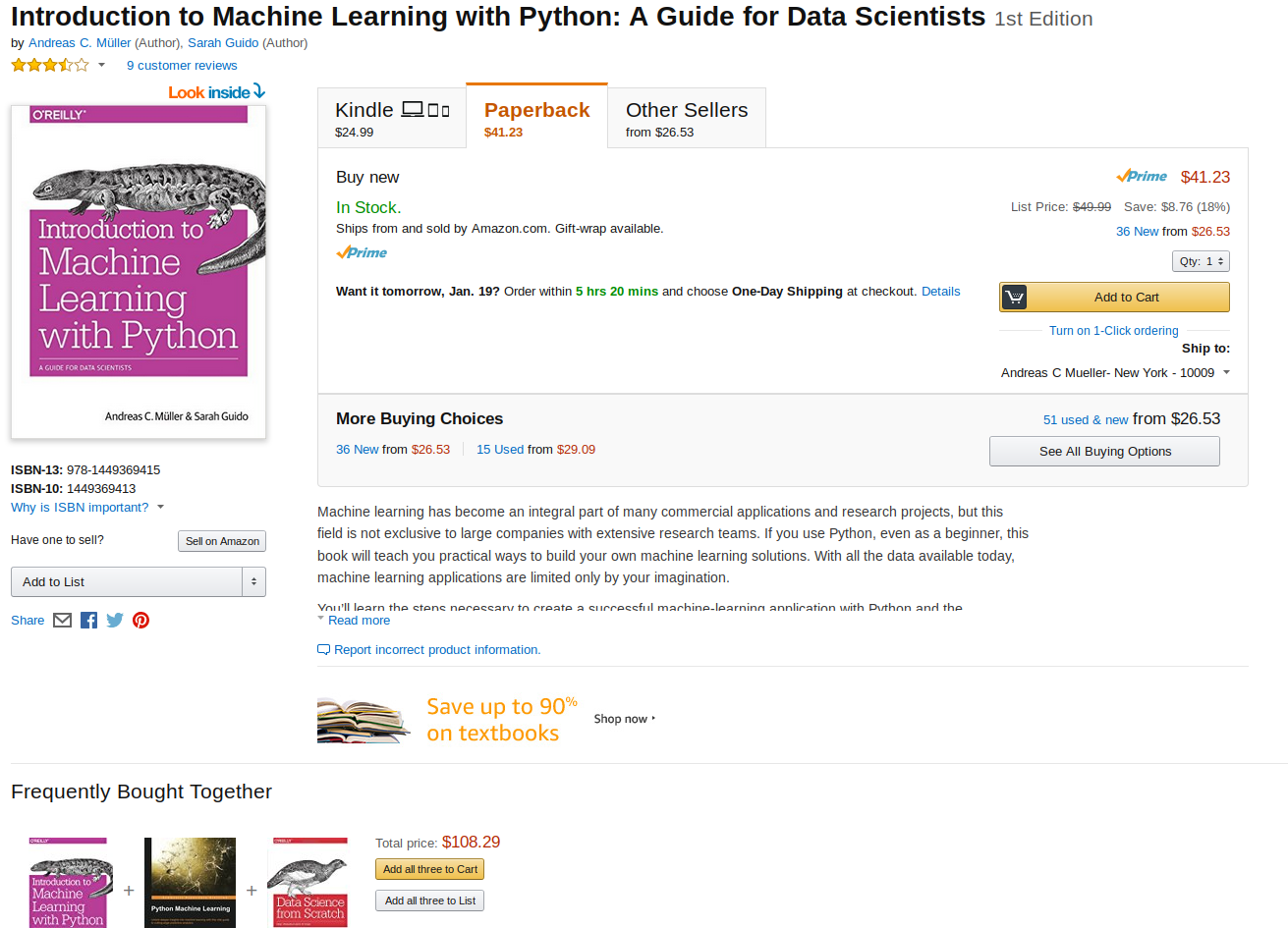
Examples: Amazon
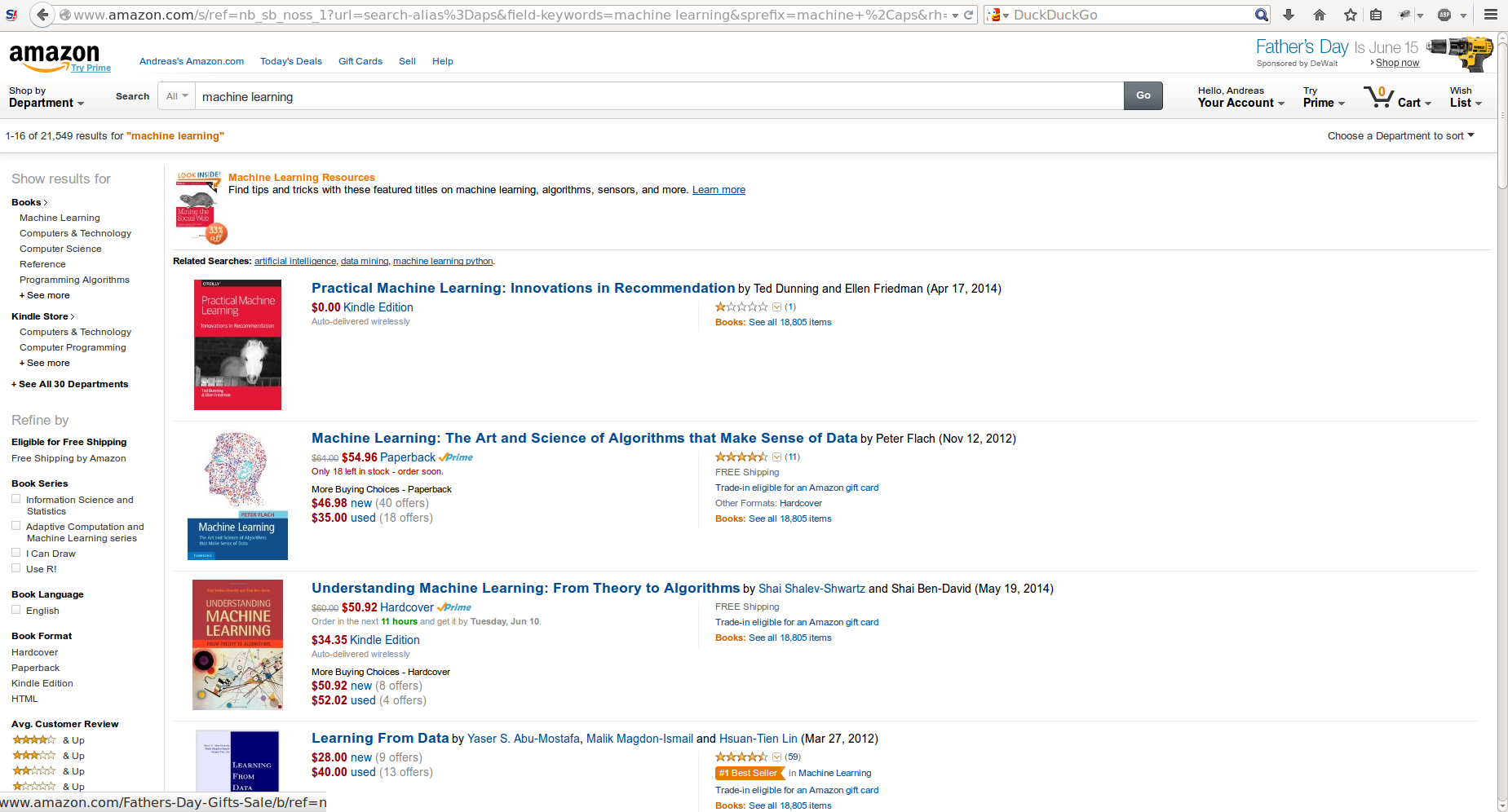
Amazon search

  • Product ranking
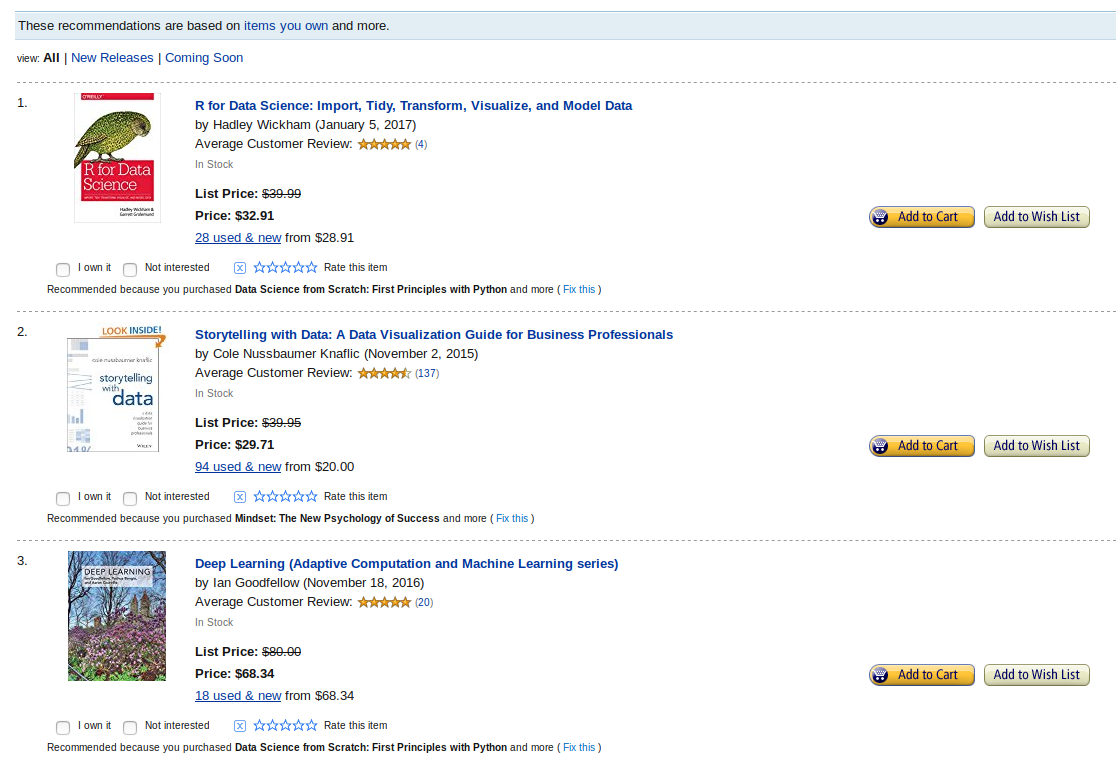
  • Personalised recommendations
  • Ads selection

Examples: Amazon (cont.)

  • Seller selection
  • Default choices
  • Related products

Amazon product page

Science Applications

  • Personalised cancer treatment
  • Medical diagnosis
  • Drug discovery
  • Higgs boson discovery
  • Exoplanet detection

Exoplanet

Types of Machine Learning

  • Supervised Learning: Learn from input-output pairs (with labelled data)
  • Unsupervised Learning: Discover structure in data (without labelled data)
  • Reinforcement Learning: Learn through interaction with environment (with an actual/simulated environment)

Supervised Learning

\[ \begin{aligned} (x_i, y_i) &\sim p(x, y) \text{ i.i.d.} \\ x_i &\in \mathbb{R}^n \\ y_i &\in \mathbb{R} \\ f(x_i) &\approx y_i \end{aligned} \]

Learn a function \(f\) from input-output pairs to predict on new data.

Generalisation to unseen data

  • Goal: \(f(x_i) \approx y_i\) on training data
  • More important: \(f(x) \approx y\) on new data
  • Core distinction: not just function approximation, but prediction on unseen data
  • Avoiding overfitting to training data is key

Examples of Supervised Learning

  • Spam detection
  • Medical diagnosis
  • Ad click prediction

Unsupervised Learning

\[ x_i \sim p(x) \text{ i.i.d.} \]

Learn about the distribution \(p\):

  • Clustering
  • Dimensionality reduction
  • Topic modeling
  • Outlier detection

Reinforcement Learning

  • Agent learns to interact with environment
  • Goal-directed behavior
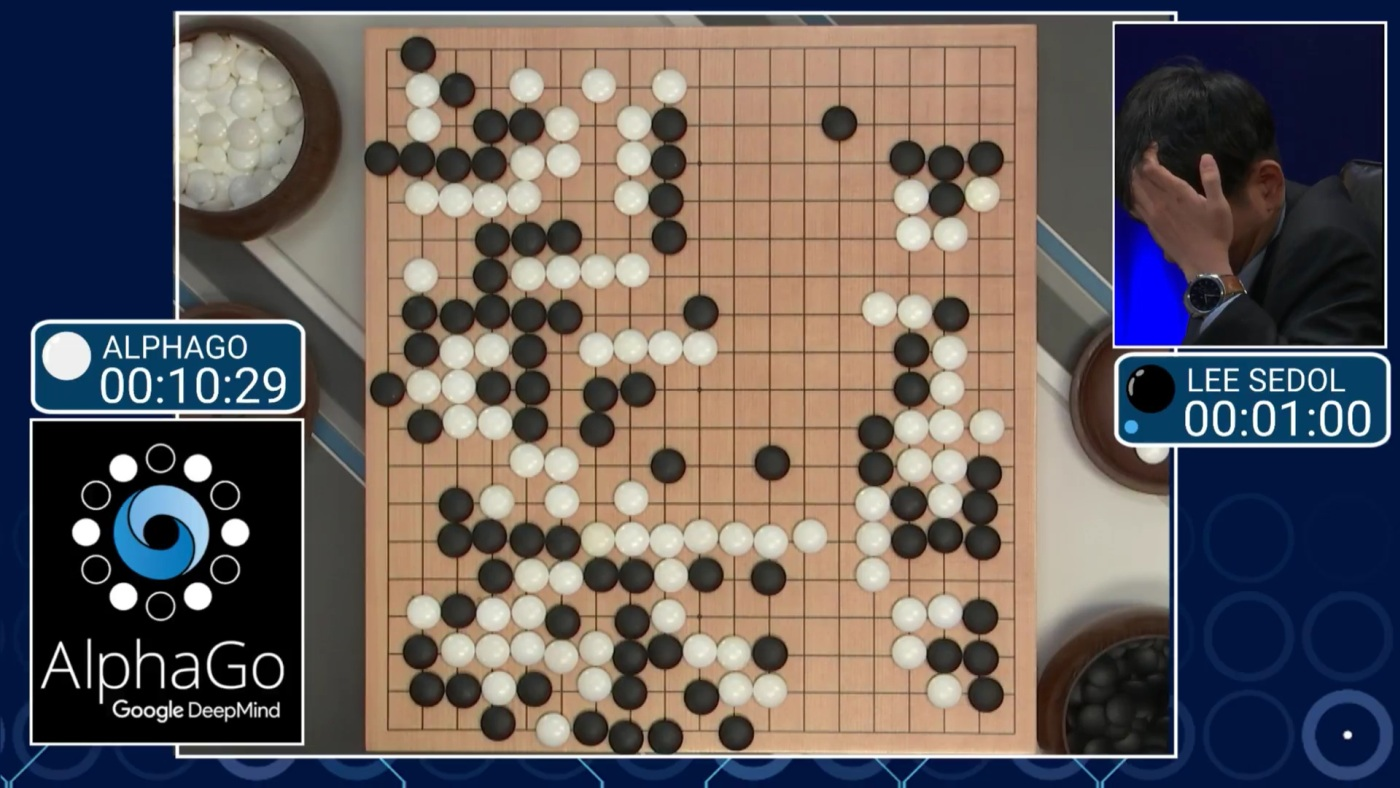
  • Examples: Alpha Go, self-driving cars
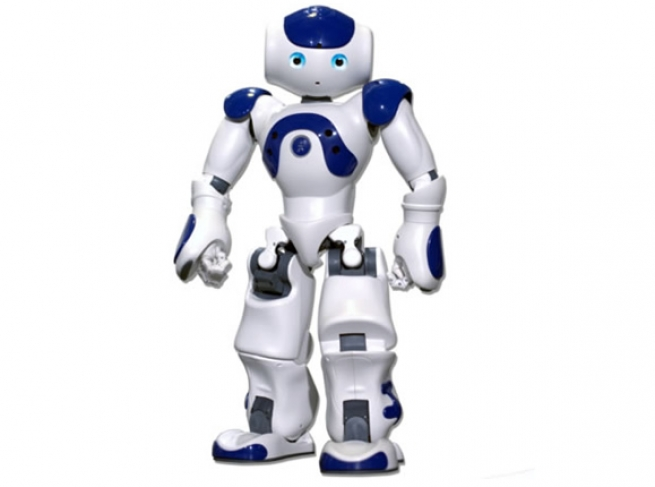
AlphaGo NAO robot

Reinforcement Learning: Explore & Learn
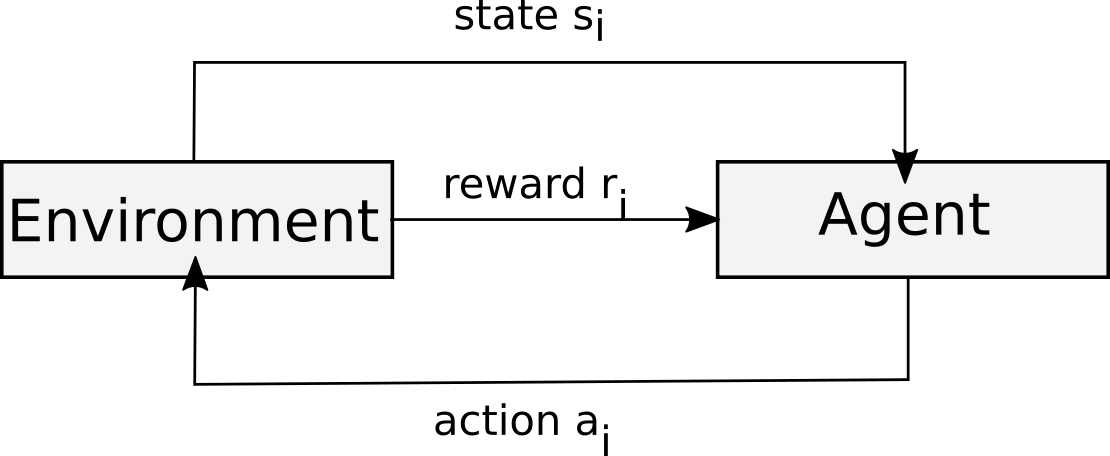
Reinforcement learning cycle

Other Types of Learning

  • Semi-supervised
  • Active Learning
  • Forecasting
  • Transfer learning
  • If you understand the basics of supervised, unsupervised, and reinforcement learning, others are easier to grasp

Don’t read a book by its name: classification of neighbourhoods

  • Classifications of neighbourhoods (e.g. London output area classification) that are actually clustering
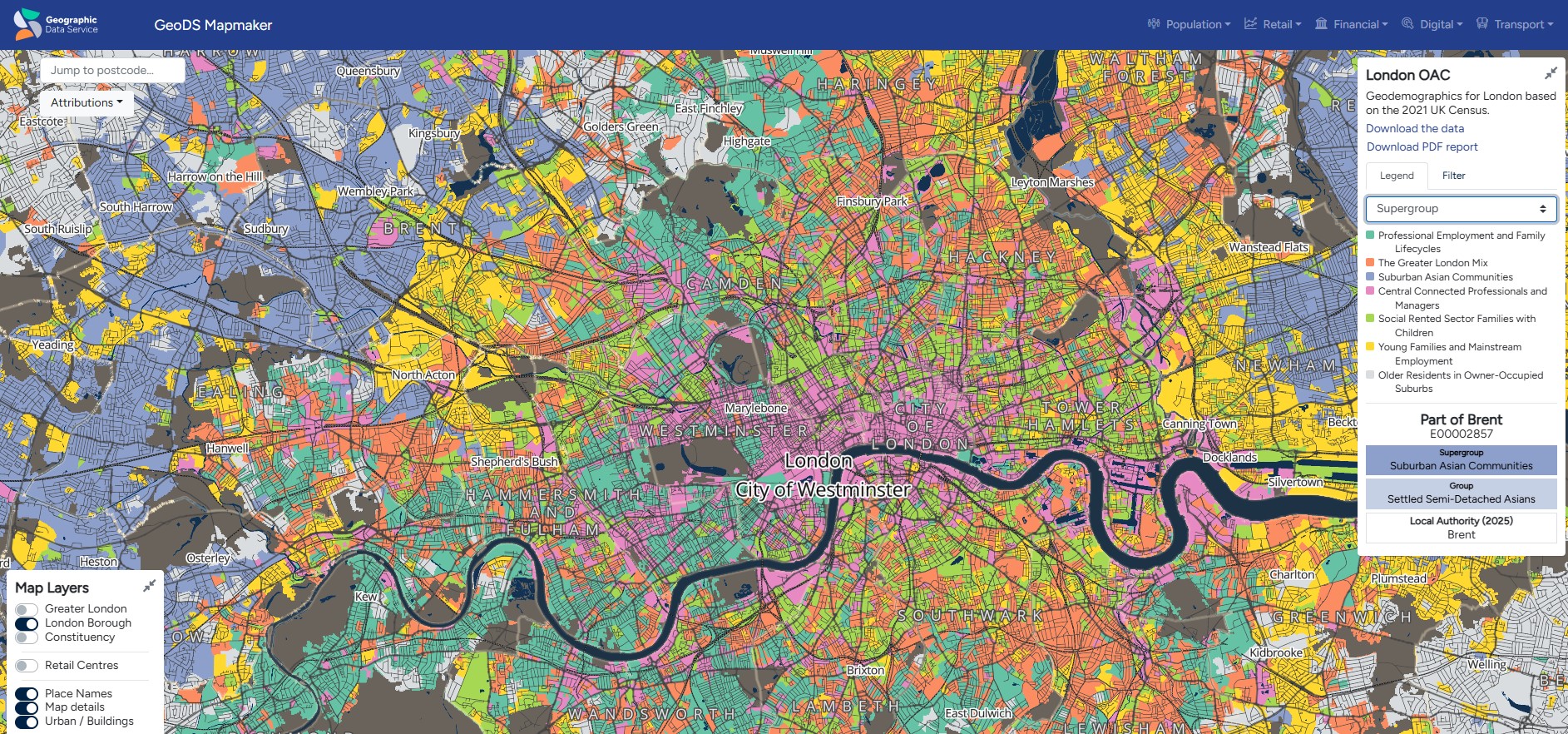
Reinforcement learning cycle

Don’t read a book by its name: anomaly detection

  • Anomaly detection methods can be unsupervised, semi-supervised, or supervised learning
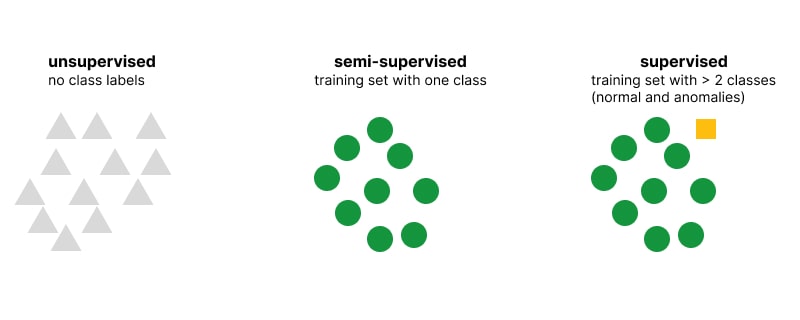
Reinforcement learning cycle
Image Credit: https://pub.towardsai.net/anomaly-detection-a-comprehensive-guide-9d4d7e320242

Don’t read a book by its name: forecasting

  • Forecasting can be done with lagged features (via supervised learning), or with time series data (via time series analysis), or both
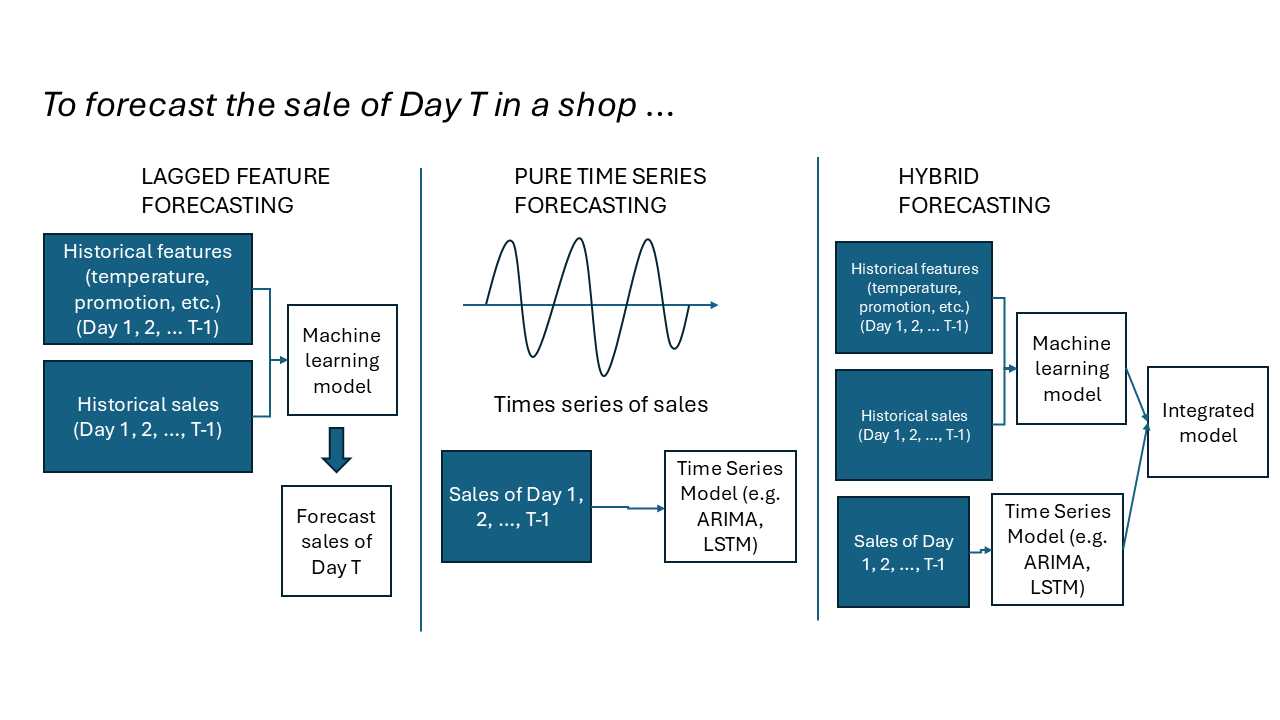
Forecasting
Image Credit: gemini.com

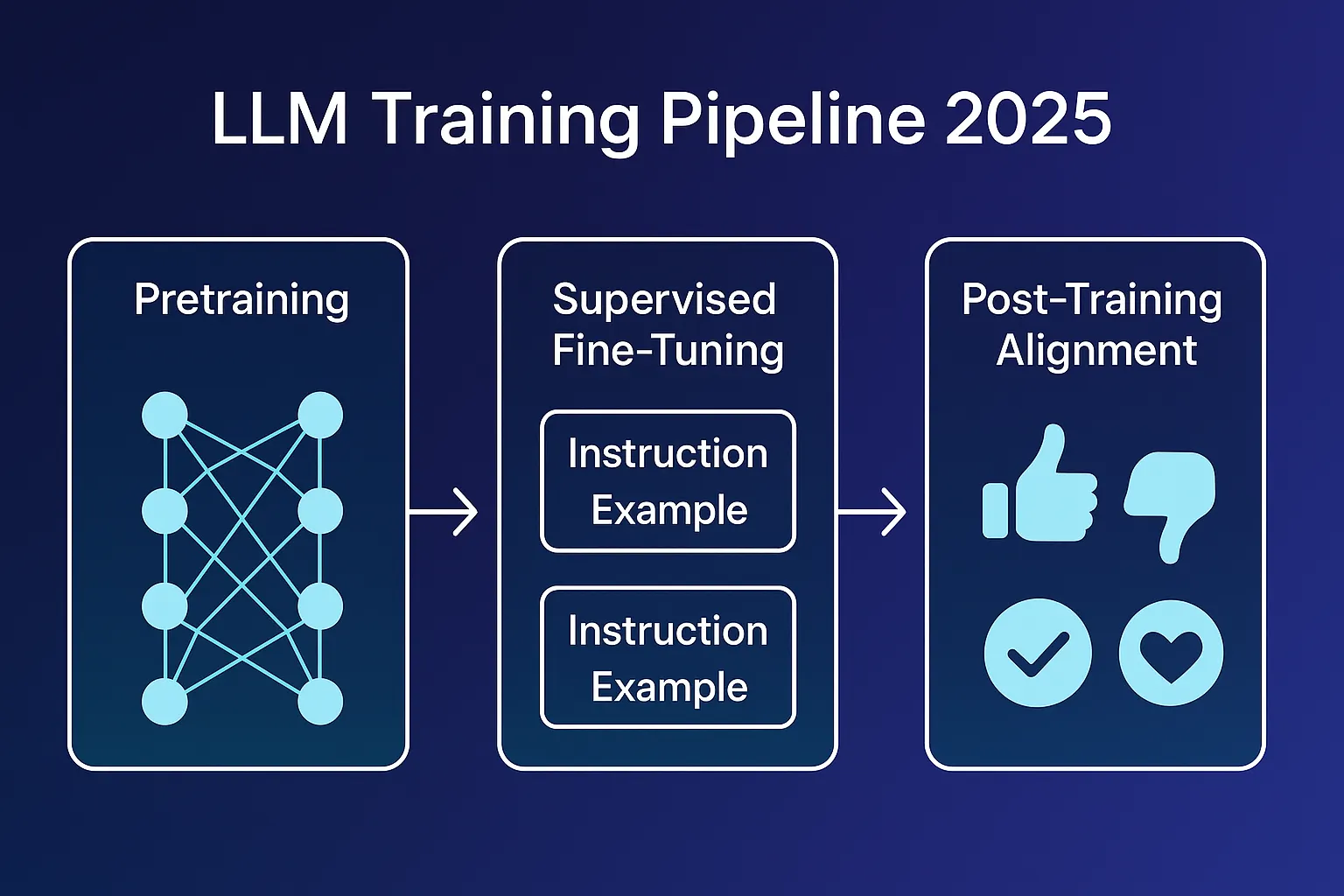
What does LLM belong to?

LLM_training_pipeline
Image Credit: medium.com

Classification vs. Regression

Classification

  • Target \(y\) is discrete
  • Example: Is this patient sick?

Regression

  • Target \(y\) is continuous
  • Example: How long to recover?

Relationship to Statistics

Statistics

  • Model first
  • Estimation emphasis
  • Yes/no questions
  • With many assumptions, need to test
  • Interpretation is key
  • e.g. Does smoking lead to lung cancer?

Machine Learning

  • Data first
  • Prediction emphasis
  • Future predictions
  • Few assumptions (but not assumption-free)
  • Interpretation isn’t primary
  • e.g. Predict tomorrow’s weather

Be careful with the following statements -

  • “Linear regression is not needed anymore because of machine learning.”
  • “Machine learning is just a fad; statistics is more important.”
  • “Machine learning models are black boxes; we can’t interpret them at all.”
  • “Machine learning models are as interpretable as linear models.”
  • “Machine learning models have no assumptions.”

Guiding Principles: Goal Considerations

  • Define the goal clearly
  • Define how to measure success (metrics)
  • Think about context and baseline
  • Ask: what’s the benefit?

Thinking in Context

  • What do you want to achieve?
  • What’s the baseline and its performance?
  • What improvement over baseline do you need?

Communicating Results

  • Explain why your approach works
  • Communicate uncertainty
  • Show impact and limitations
  • Convince stakeholders

Explainable Results

Amazon explanations

  • Users want to know why recommendations are made
  • Explainability improves engagement
  • Important for trust and transparency

Ethical Considerations

ProPublica COMPAS

  • Bias in risk assessments
  • Fairness in automated decisions
  • Transparency and accountability

Ethics: It’s in the Application!

  • Understand biases in your system
  • Consider the impact of predictions
  • Use algorithms responsibly
  • Same algorithm, different outcomes

Data and Data Collection

  • Critical component of ML
  • More data usually helps (if from right source)
  • Consider marginal cost vs. marginal benefit

Free vs Expensive Data

Free Data

  • Open data from gov and census, often aggregated (e.g. ONS, London Fire Brigade, NASA)
  • Open data from companies (e.g. Google Street View) (Read the license first)
  • Synthetic data
  • Web scraping (be careful with legality and ethics)

Expensive Data

  • Individual data (e.g. health records)
  • Mobile phone data (high cost)
  • User survey
  • High-resolution imagery (e.g. satellite, aerial, drone)

Big Data Considerations

  • More data can be more expensive to work with
  • Subsample to RAM when possible (512GB available in cloud)
  • Runtime and analyst time matter
  • Always try with a small sample first

Theorem: Garbage in, garbage out (GIGO)

  • Great algorithms + bad data = bad results
  • Model performance is constrained by data quality.
  • Biased, noisy, or incomplete data leads to misleading predictions.
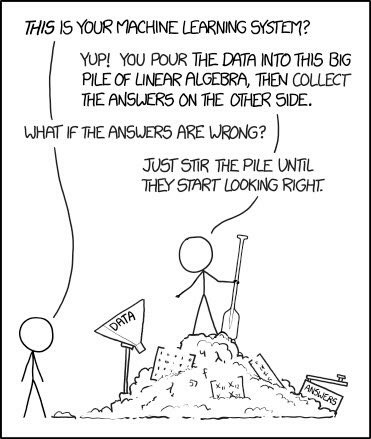
Garbage in, garbage out

Image Credit: x.com/xschelling/status/954936528555429888

Good data = large size + high quality.

  • Sufficient sample size to capture variability in the problem
  • High-quality labels and accurate measurements.
  • Representative of the population and application context.
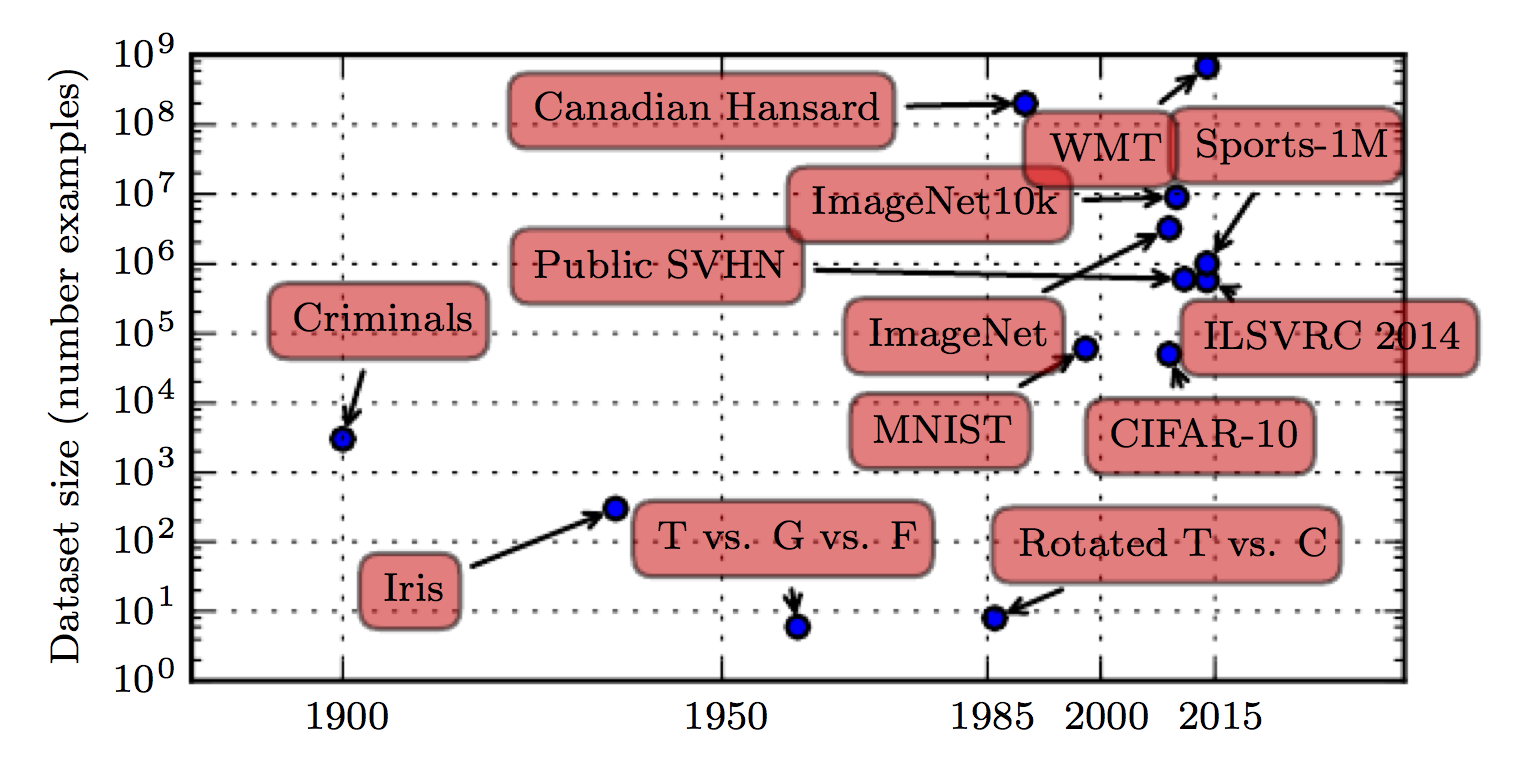
Size of benchmark datasets

Image Credit: Internet

Data size and performance

The performance of ML/DL increases rapidly with the size of the data:

  • Large neural nets benefit the most from big data.
  • Medium and small neural nets also improve with more data.
  • Traditional ML algorithms (e.g. random forest, SVM) may saturate earlier.
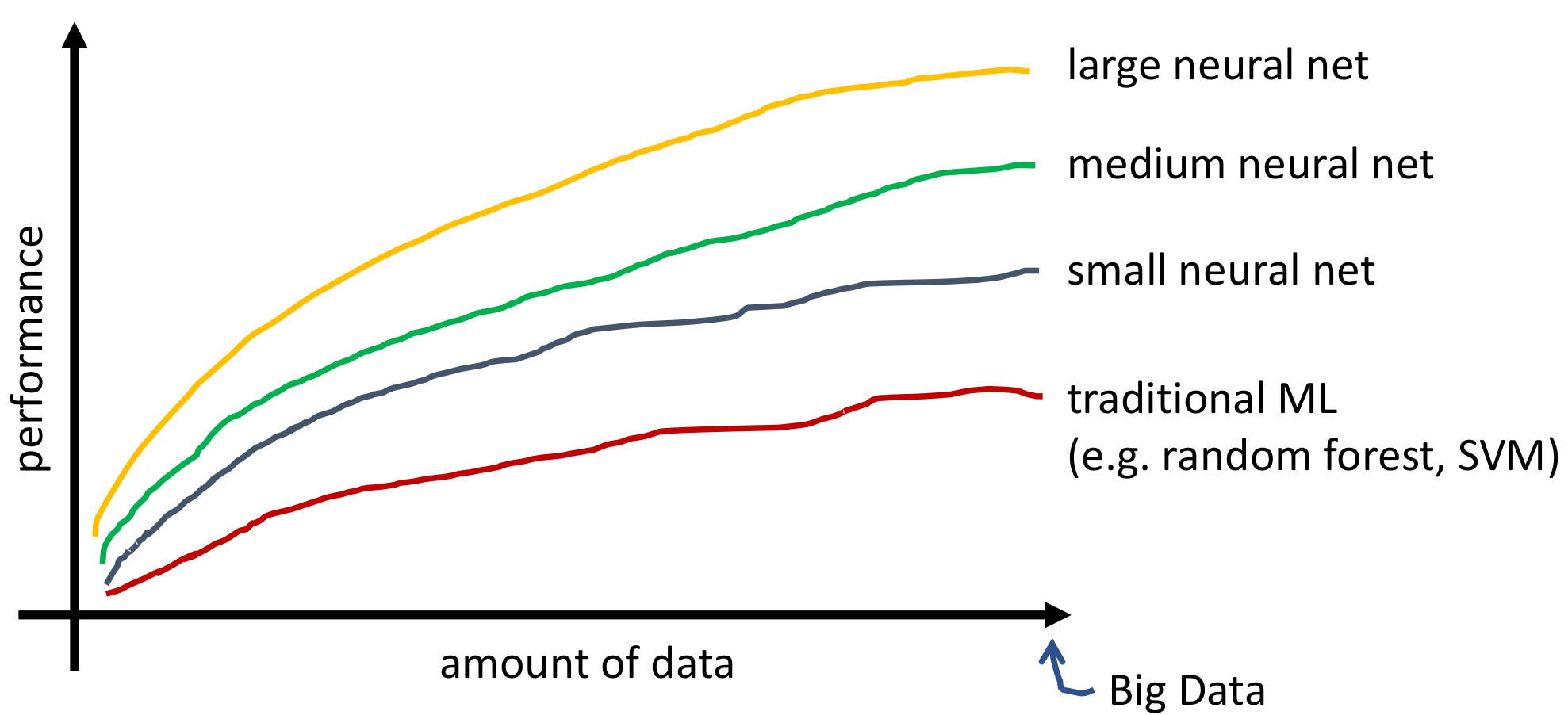
Performance vs data size

Performance vs data size for ML/DL models

Feature engineering & EDA (~90% time)

  • Mostly manual rather than automated (no automated methods for EDA)
  • Domain knowledge from expertise is desirable
  • Using visualisation to identify patterns & data relationship
  • Removing noisy or erroneous data
  • Dealing with missing data
  • Generating new features by combining existing ones

Example: Representation of geospatial locations in ML models

  • Raw coordinates (e.g. long/lat) may not be directly useful
  • Need to engineer features that capture spatial relationships
  • Long/lat
  • Distance to POIs (train stations/schools).
  • Using adjacency matrix between spatial units

Overview

We’ve covered:

  • Introduction to machine learning
  • Types of machine learning (supervised, unsupervised, reinforcement)
  • Various aspects (e.g. data, algorithm, evaluation) that are crucial for machine learning success

Practical

  • Practical will focus on using sklearn for supervised learning.
  • Have questions prepared!